Morocco, with its rich culture, vibrant cities, golden deserts, and snow-capped mountains, has become one of the top travel destinations for adventurers and culture lovers alike. Whether you’re planning to explore the bustling souks of Marrakech, trek the High Atlas Mountains, or enjoy a quiet evening under the Sahara stars, travel safety in Morocco is likely a top concern, especially for first-time visitors.
In this blog, we’ll provide you with an in-depth look at travel safety in Morocco so you can enjoy your journey with confidence and peace of mind.
Is Morocco Safe for Tourists?
Yes, Morocco is generally considered a safe country for tourists. With millions of travelers visiting every year, the Moroccan government has taken significant steps to ensure the safety of both locals and international visitors. Major cities like Marrakech, Fes, Casablanca, and Rabat are well-patrolled by police, and tourist zones are frequently monitored.
However, like any destination, there are safety considerations you should keep in mind. Awareness and preparation are key to a worry-free experience.
General Travel Safety in Morocco: What to Know
1. Petty Crime and Scams
Petty theft, such as pickpocketing and bag-snatching, can occur in crowded areas, especially in medinas (old towns), markets, and tourist hotspots. Scams involving unofficial guides or overpricing are also common.
Tips:
Keep your belongings secure and avoid flashy jewelry.
Use a money belt or anti-theft backpack.
Book your guides through reputable companies like Private Morocco Tours to avoid scams.
2. Cultural Awareness
Morocco is a Muslim-majority country, and understanding its customs and cultural norms enhances both safety and respect.
Tips:
Dress modestly, especially in rural or conservative areas.
Avoid public displays of affection.
During Ramadan, be respectful of locals who are fasting.
3. Transport Safety
Public transport is generally safe, but it can be confusing or crowded. Taxis, buses, and trains are commonly used, but always confirm the fare in advance.
Tips:
Opt for official or registered taxis.
For comfort and ease, consider a private tour vehicle with a licensed driver.
Avoid traveling at night in unfamiliar areas, especially in rural zones.
Women’s Safety in Morocco
Solo female travel is becoming increasingly popular in Morocco, but it does require a bit more caution. Street harassment, while not dangerous in most cases, can be uncomfortable.
Tips for Female Travelers:
Dress conservatively (e.g., cover shoulders and knees).
Walk with confidence and ignore unwanted attention.
Book tours and accommodation through trusted providers.
Travel in groups when possible or use a local female guide.
Health & Medical Safety
Healthcare facilities in major cities are generally good, but remote areas may have limited services. Travel insurance is highly recommended.
Tips:
Carry any essential medications with you.
Stick to bottled water to avoid stomach issues.
Get vaccinated for hepatitis A, typhoid, and routine vaccines before your trip.
Be cautious with street food unless it’s hot and freshly prepared.
Natural Hazards & Outdoor Safety
Morocco’s diverse terrain offers opportunities for hiking, desert camping, and mountain treks. While thrilling, these activities come with their own risks.
Tips:
Hire experienced guides for desert or mountain adventures.
Check the weather conditions before hiking or trekking.
Bring sunscreen, water, and proper footwear.
With Private Morocco Tours, you can enjoy tailor-made journeys that prioritize your safety and comfort during these adventures.
Emergency Numbers in Morocco
Keep these emergency contacts handy:
Police: 19 (landline) or 112 (mobile)
Ambulance/Medical Emergency: 15
Tourist Police: Available in major cities like Marrakech and Fes
Most police officers in tourist areas speak at least some English or French, so communication is usually manageable.
Safe Places to Visit in Morocco
Some of the safest and most tourist-friendly cities include:
Marrakech
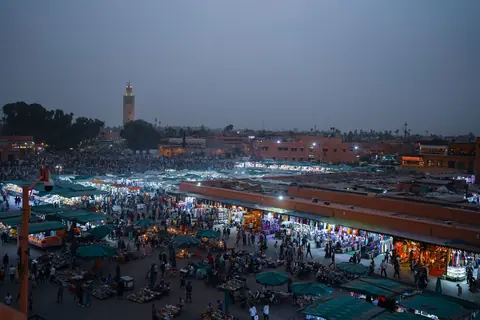
Famous for its souks, palaces, and the bustling Jemaa el-Fnaa square. Stick to well-lit and populated areas at night.
Fes
A UNESCO World Heritage city, known for its ancient medina and traditional craftsmanship. Stay with a guide when exploring the maze-like old city.
Chefchaouen
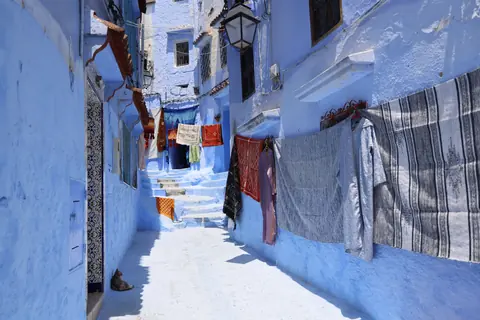
The blue city is peaceful, picturesque, and ideal for solo travelers.
Merzouga & The Sahara
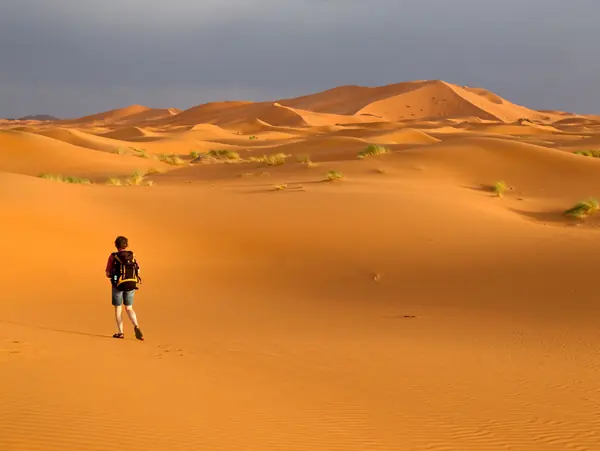
A desert tour is a must-do, but always go with a licensed tour operator to ensure safety and proper arrangements.
Casablanca & Rabat
More modern and business-oriented cities. Casablanca is Morocco’s economic hub, while Rabat, the capital, offers a calm and organized atmosphere.
Benefits of Booking a Private Tour
For ultimate peace of mind, booking a private tour with a reputable company like Private Morocco Tours can significantly enhance your experience. Here’s why:
Customized Itineraries: You choose the destinations, we handle the details.
Local Expertise: Knowledgeable guides fluent in English, Arabic, and French.
24/7 Support: Assistance throughout your journey.
Secure Transport: Clean, private vehicles with professional drivers.
Cultural Insight: Get in-depth information and guidance while staying respectful to Moroccan traditions.
Traveling with a local company ensures a smoother, safer, and more immersive experience.
Final Travel Safety Tips
Always carry a copy of your passport and important documents.
Let your hotel or tour operator know your daily itinerary.
Stay alert and trust your instincts, if something feels off, avoid it.
Use a local SIM card or roaming plan to stay connected.
Conclusion
Morocco is a land of enchanting beauty, history, and adventure. With some preparation and smart choices, travel safety in Morocco is entirely manageable, allowing you to focus on the magic of the journey. Whether you’re sipping mint tea in a riad or riding camels through the dunes, your trip can be safe, memorable, and life-changing.
For a seamless, secure, and truly unforgettable experience, choose Private Morocco Tours, your trusted companion in exploring the Kingdom of Morocco.